
• Home
  • Galleries
  • About
  • Blog
    • Photography Explained
      • Evolution of Camera Technology
        • Camera Obscura (1500)
        • The Daguerreotype Camera (1839)
        • The Kodak Brownie (1900)
        • The Reise Camera (1900)
        • The Leica I (1925)
        • The Kodak Duaflex (1947)
        • The Polaroid Model 95 (1947)
        • The SLR
        • The Kodak Digital Camera
        • The DSLR
        • Mobile Camera
        • The Action Camera
        • The Mirror less Camera
      • Understanding Your Camera
        • DSLR Explained
        • Lens Explained
        • Megapixel
        • Shutter
        • Aperture
        • ISO
        • Focus
        • Metering
        • White Balance
        • Image Quality
        • Shutter Release Mode
      • Understanding Exposure
        • Exposure
        • Exposure Triangle
        • Exposure Modes
        • Exposure Compensation
        • Exposure Bracketing
        • Histogram
        • Aperture and Depth of field
        • Shutter Speed and Motion
        • Chromatic Aberration
        • Lens Diffraction
        • Hyper Focal Distance
      • Camera Accessories
        • Tripod
        • Tripod Head
        • Filters
        • Flash
        • Camera Bag
    • Equipment Reviews
    • Travel Stories
    • Tips & Tutorials
      • Photography
      • Travel
  • Contact
FOTOVOYAGE
FOTOVOYAGE
  • Home
  • Galleries
  • About
  • Blog
    • Photography Explained
      • Evolution of Camera Technology
        • Camera Obscura (1500)
        • The Daguerreotype Camera (1839)
        • The Kodak Brownie (1900)
        • The Reise Camera (1900)
        • The Leica I (1925)
        • The Kodak Duaflex (1947)
        • The Polaroid Model 95 (1947)
        • The SLR
        • The Kodak Digital Camera
        • The DSLR
        • Mobile Camera
        • The Action Camera
        • The Mirror less Camera
      • Understanding Your Camera
        • DSLR Explained
        • Lens Explained
        • Megapixel
        • Shutter
        • Aperture
        • ISO
        • Focus
        • Metering
        • White Balance
        • Image Quality
        • Shutter Release Mode
      • Understanding Exposure
        • Exposure
        • Exposure Triangle
        • Exposure Modes
        • Exposure Compensation
        • Exposure Bracketing
        • Histogram
        • Aperture and Depth of field
        • Shutter Speed and Motion
        • Chromatic Aberration
        • Lens Diffraction
        • Hyper Focal Distance
      • Camera Accessories
        • Tripod
        • Tripod Head
        • Filters
        • Flash
        • Camera Bag
    • Equipment Reviews
    • Travel Stories
    • Tips & Tutorials
      • Photography
      • Travel
  • Contact

In photography there is a term called fringing which can affect your photographs and can be distracting at times. The appropriate term for fringing is Chromatic Aberration. This results in noticeable color edge on the high contrast area (purple, green). This happens because the lens fails to bring all the wavelength of the color at the same focal plane. Lens dispersion is the reason of chromatic aberration with different colors of light travelling at different speed. Chromatic aberration also results in blurry image. This is more prominently visible at the wider aperture when the depth of field is too small. A good quality glass always focuses the lights at the same focal point.
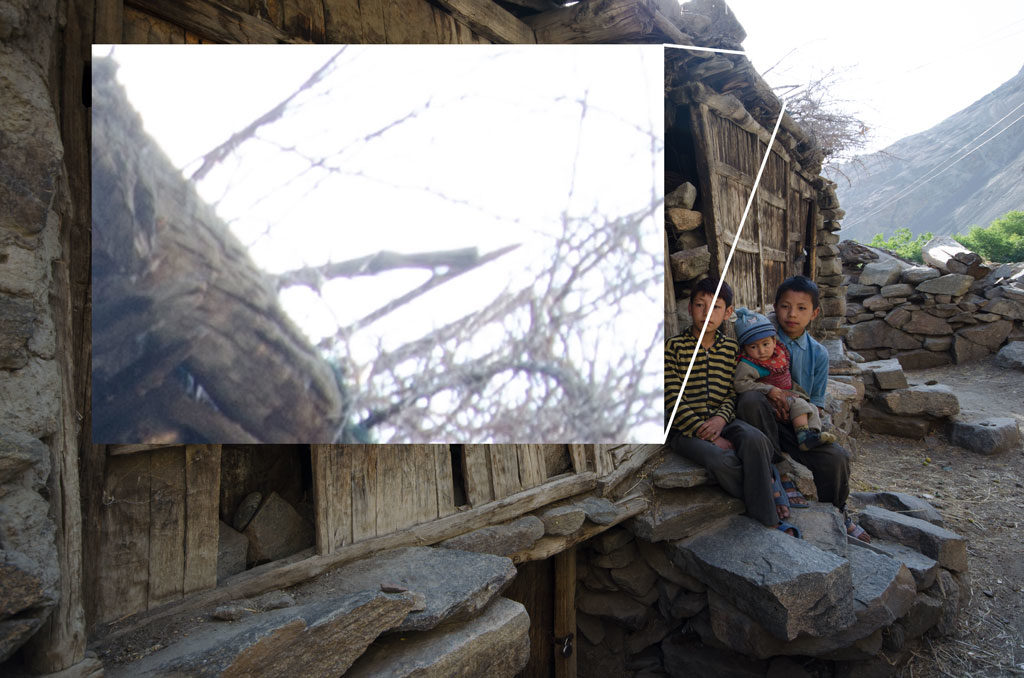
One of the ways that you can reduce the chromatic aberration is to increase your depth of field by stopping down your aperture. This is because with a deep depth of field it becomes easier for the lens to converse the lights at the same focal point.

In a situation when you have no choice other than to use a widest possible aperture, you make sure that you use lens with aspheric element which is specifically designed to reduce chromatic aberration. These lenses are generally expensive.

The final way to reduce chromatic aberration is the help of post processing software. You can use programs like Photoshop or Lightroom. This is the most affordable way to reduce the chromatic aberration.
  • Share On Facebook
  • Tweet It


  • Transform Your Imagination to Imagery.

  • Please authorize with your Instagram account here
  • Follow Us On


© 2027 Copyright FOTOVOYAGE | All Rights Reserved