
• Home
  • Galleries
  • About
  • Blog
    • Photography Explained
      • Evolution of Camera Technology
        • Camera Obscura (1500)
        • The Daguerreotype Camera (1839)
        • The Kodak Brownie (1900)
        • The Reise Camera (1900)
        • The Leica I (1925)
        • The Kodak Duaflex (1947)
        • The Polaroid Model 95 (1947)
        • The SLR
        • The Kodak Digital Camera
        • The DSLR
        • Mobile Camera
        • The Action Camera
        • The Mirror less Camera
      • Understanding Your Camera
        • DSLR Explained
        • Lens Explained
        • Megapixel
        • Shutter
        • Aperture
        • ISO
        • Focus
        • Metering
        • White Balance
        • Image Quality
        • Shutter Release Mode
      • Understanding Exposure
        • Exposure
        • Exposure Triangle
        • Exposure Modes
        • Exposure Compensation
        • Exposure Bracketing
        • Histogram
        • Aperture and Depth of field
        • Shutter Speed and Motion
        • Chromatic Aberration
        • Lens Diffraction
        • Hyper Focal Distance
      • Camera Accessories
        • Tripod
        • Tripod Head
        • Filters
        • Flash
        • Camera Bag
    • Equipment Reviews
    • Travel Stories
    • Tips & Tutorials
      • Photography
      • Travel
  • Contact
FOTOVOYAGE
FOTOVOYAGE
  • Home
  • Galleries
  • About
  • Blog
    • Photography Explained
      • Evolution of Camera Technology
        • Camera Obscura (1500)
        • The Daguerreotype Camera (1839)
        • The Kodak Brownie (1900)
        • The Reise Camera (1900)
        • The Leica I (1925)
        • The Kodak Duaflex (1947)
        • The Polaroid Model 95 (1947)
        • The SLR
        • The Kodak Digital Camera
        • The DSLR
        • Mobile Camera
        • The Action Camera
        • The Mirror less Camera
      • Understanding Your Camera
        • DSLR Explained
        • Lens Explained
        • Megapixel
        • Shutter
        • Aperture
        • ISO
        • Focus
        • Metering
        • White Balance
        • Image Quality
        • Shutter Release Mode
      • Understanding Exposure
        • Exposure
        • Exposure Triangle
        • Exposure Modes
        • Exposure Compensation
        • Exposure Bracketing
        • Histogram
        • Aperture and Depth of field
        • Shutter Speed and Motion
        • Chromatic Aberration
        • Lens Diffraction
        • Hyper Focal Distance
      • Camera Accessories
        • Tripod
        • Tripod Head
        • Filters
        • Flash
        • Camera Bag
    • Equipment Reviews
    • Travel Stories
    • Tips & Tutorials
      • Photography
      • Travel
  • Contact

The first camera phone was sold in 2000 in Japan, a J-Phone model, although some argue that the SCH-V200 and Kyocera VP-210 Visual Phone, both introduced months earlier in South Korea and Japan respectively, were the first camera phones. Camera phones are simpler than separate digital cameras. Their usual fixed-focus lenses and smaller sensors limit their performance in poor lighting. Lacking a physical shutter, some have a long shutter lag. Photoflash is typically provided by an LED source which illuminates less intensely over a much longer exposure time than a bright and near-instantaneous flash strobe.
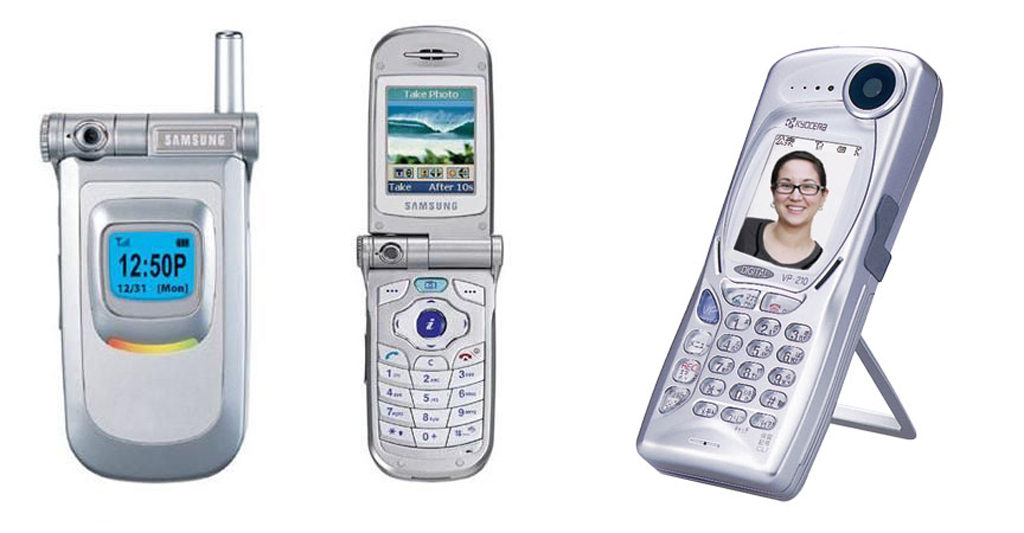
The principal advantages of camera phones are cost and compactness. Smartphones that are camera phones may run mobile applications to add capabilities such as geotagging and image stitching. Also, smartphones can use their touch screen to direct their camera to focus on a particular object in the field of view, giving even an inexperienced user a degree of focus control exceeded only by seasoned photographers using manual focus.
  • Share On Facebook
  • Tweet It


  • Transform Your Imagination to Imagery.

  • Please authorize with your Instagram account here
  • Follow Us On


© 2027 Copyright FOTOVOYAGE | All Rights Reserved