
• Home
  • Galleries
  • About
  • Blog
    • Photography Explained
      • Evolution of Camera Technology
        • Camera Obscura (1500)
        • The Daguerreotype Camera (1839)
        • The Kodak Brownie (1900)
        • The Reise Camera (1900)
        • The Leica I (1925)
        • The Kodak Duaflex (1947)
        • The Polaroid Model 95 (1947)
        • The SLR
        • The Kodak Digital Camera
        • The DSLR
        • Mobile Camera
        • The Action Camera
        • The Mirror less Camera
      • Understanding Your Camera
        • DSLR Explained
        • Lens Explained
        • Megapixel
        • Shutter
        • Aperture
        • ISO
        • Focus
        • Metering
        • White Balance
        • Image Quality
        • Shutter Release Mode
      • Understanding Exposure
        • Exposure
        • Exposure Triangle
        • Exposure Modes
        • Exposure Compensation
        • Exposure Bracketing
        • Histogram
        • Aperture and Depth of field
        • Shutter Speed and Motion
        • Chromatic Aberration
        • Lens Diffraction
        • Hyper Focal Distance
      • Camera Accessories
        • Tripod
        • Tripod Head
        • Filters
        • Flash
        • Camera Bag
    • Equipment Reviews
    • Travel Stories
    • Tips & Tutorials
      • Photography
      • Travel
  • Contact
FOTOVOYAGE
FOTOVOYAGE
  • Home
  • Galleries
  • About
  • Blog
    • Photography Explained
      • Evolution of Camera Technology
        • Camera Obscura (1500)
        • The Daguerreotype Camera (1839)
        • The Kodak Brownie (1900)
        • The Reise Camera (1900)
        • The Leica I (1925)
        • The Kodak Duaflex (1947)
        • The Polaroid Model 95 (1947)
        • The SLR
        • The Kodak Digital Camera
        • The DSLR
        • Mobile Camera
        • The Action Camera
        • The Mirror less Camera
      • Understanding Your Camera
        • DSLR Explained
        • Lens Explained
        • Megapixel
        • Shutter
        • Aperture
        • ISO
        • Focus
        • Metering
        • White Balance
        • Image Quality
        • Shutter Release Mode
      • Understanding Exposure
        • Exposure
        • Exposure Triangle
        • Exposure Modes
        • Exposure Compensation
        • Exposure Bracketing
        • Histogram
        • Aperture and Depth of field
        • Shutter Speed and Motion
        • Chromatic Aberration
        • Lens Diffraction
        • Hyper Focal Distance
      • Camera Accessories
        • Tripod
        • Tripod Head
        • Filters
        • Flash
        • Camera Bag
    • Equipment Reviews
    • Travel Stories
    • Tips & Tutorials
      • Photography
      • Travel
  • Contact

Understanding various exposure modes in a camera always helps us to use our camera more creatively. Most of the camera has a wide range of exposure modes, which are indicated by various icons like portrait, landscape, flower and night. These are automatic modes and we are not going discuss these modes here.  

There are four important modes to understand in any DSLR for a creative control.
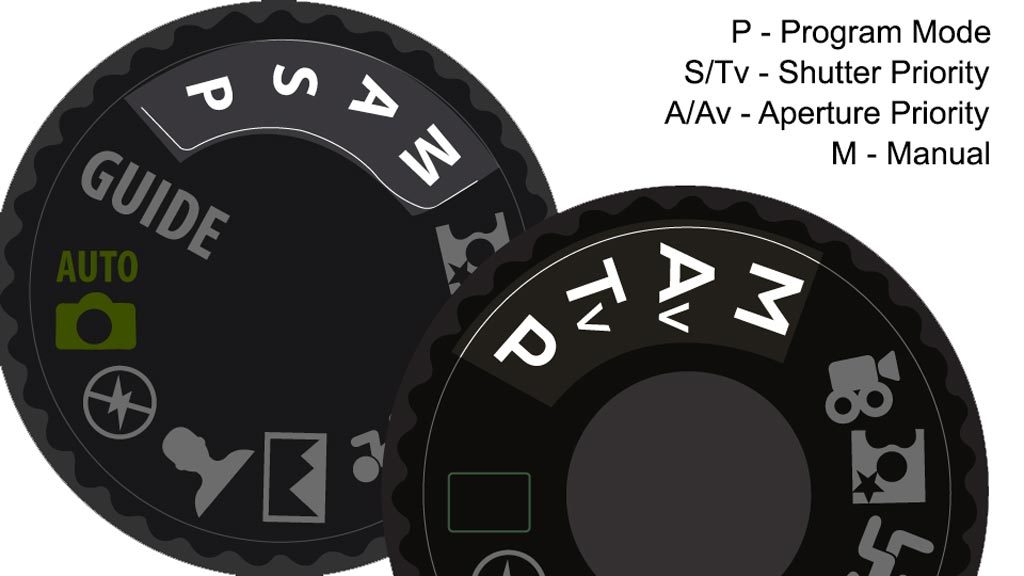
P – Programmed Auto – This exposure mode automatically adjusts the aperture and shutter speed to get perfect exposure.  This is almost similar to the using a point and shoot camera. However the photographer will have control over ISO, Color Space, and it will not switch on the automatic flash. There are some flexibility offered by different manufacturers where the camera offers combination of aperture and shutter speed to achieve better control. This mode can be used for general shooting.

A/Av – Aperture Priority – This is a semi-automatic exposure mode. Where you decide the Aperture Value and the camera will change the shutter speed according the light condition. With the change of the aperture value which you control manually, the camera automatically compensates the shutter speed value. Control over the ISO, also remains with you.  This is preferred for the photographers who wants to control the depth of field, or wants to remain consistent in the depth of field.

S/Sv – Shutter Priority – This is another semi-automatic exposure mode. Where you decide the Shutter Value and the camera will change the aperture according to the light condition. Here you control the shutter speed manually and aperture value is compensated by the camera accordingly. Control over the ISO also remains with you. This is preferred for the photographers who want to control the motion of the subject, particularly sports and wildlife photographers.

M – Manual Mode – This is a fully manual exposure mode and preferred mostly by the professional photographer to have better control over their exposure.  All the automatic exposure settings are disabled by the camera when you choose manual exposure mode. You have to choose aperture, shutter speed and ISO according to your own requirement. Since no automatic exposure settings are applied in this mode, it becomes important to understand the exposure triangle. You have to consistently look at the exposure meter on the viewfinder which becomes a very helpful tool to achieve the correct exposure in this exposure mode. Once can be very creative in manual exposure mode by controlling the exposure manually.
  • Share On Facebook
  • Tweet It


  • Transform Your Imagination to Imagery.

  • Please authorize with your Instagram account here
  • Follow Us On


© 2027 Copyright FOTOVOYAGE | All Rights Reserved