
• Home
  • Galleries
  • About
  • Blog
    • Photography Explained
      • Evolution of Camera Technology
        • Camera Obscura (1500)
        • The Daguerreotype Camera (1839)
        • The Kodak Brownie (1900)
        • The Reise Camera (1900)
        • The Leica I (1925)
        • The Kodak Duaflex (1947)
        • The Polaroid Model 95 (1947)
        • The SLR
        • The Kodak Digital Camera
        • The DSLR
        • Mobile Camera
        • The Action Camera
        • The Mirror less Camera
      • Understanding Your Camera
        • DSLR Explained
        • Lens Explained
        • Megapixel
        • Shutter
        • Aperture
        • ISO
        • Focus
        • Metering
        • White Balance
        • Image Quality
        • Shutter Release Mode
      • Understanding Exposure
        • Exposure
        • Exposure Triangle
        • Exposure Modes
        • Exposure Compensation
        • Exposure Bracketing
        • Histogram
        • Aperture and Depth of field
        • Shutter Speed and Motion
        • Chromatic Aberration
        • Lens Diffraction
        • Hyper Focal Distance
      • Camera Accessories
        • Tripod
        • Tripod Head
        • Filters
        • Flash
        • Camera Bag
    • Equipment Reviews
    • Travel Stories
    • Tips & Tutorials
      • Photography
      • Travel
  • Contact
FOTOVOYAGE
FOTOVOYAGE
  • Home
  • Galleries
  • About
  • Blog
    • Photography Explained
      • Evolution of Camera Technology
        • Camera Obscura (1500)
        • The Daguerreotype Camera (1839)
        • The Kodak Brownie (1900)
        • The Reise Camera (1900)
        • The Leica I (1925)
        • The Kodak Duaflex (1947)
        • The Polaroid Model 95 (1947)
        • The SLR
        • The Kodak Digital Camera
        • The DSLR
        • Mobile Camera
        • The Action Camera
        • The Mirror less Camera
      • Understanding Your Camera
        • DSLR Explained
        • Lens Explained
        • Megapixel
        • Shutter
        • Aperture
        • ISO
        • Focus
        • Metering
        • White Balance
        • Image Quality
        • Shutter Release Mode
      • Understanding Exposure
        • Exposure
        • Exposure Triangle
        • Exposure Modes
        • Exposure Compensation
        • Exposure Bracketing
        • Histogram
        • Aperture and Depth of field
        • Shutter Speed and Motion
        • Chromatic Aberration
        • Lens Diffraction
        • Hyper Focal Distance
      • Camera Accessories
        • Tripod
        • Tripod Head
        • Filters
        • Flash
        • Camera Bag
    • Equipment Reviews
    • Travel Stories
    • Tips & Tutorials
      • Photography
      • Travel
  • Contact

After understanding the exposure triangle and how to achieve proper exposure all the time, it’s time to become little creative. There are many situations where you would not like to click a picture with proper exposure. This is because your camera metering gets fooled by some tricky situations. For example, taking a picture in snow, taking a portrait with a white background or when you wish to create a silhouette image. There you need to overpower the camera metering system with your own judgment.
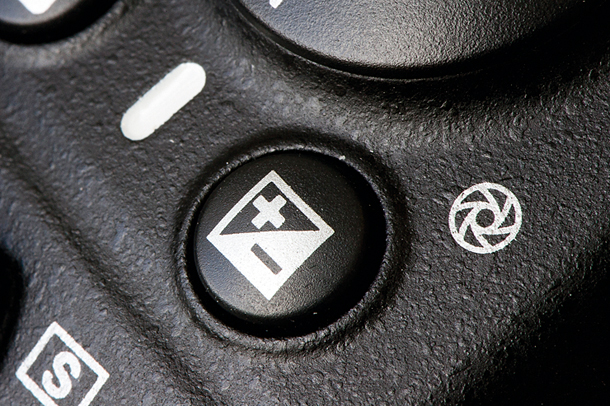
Almost all the cameras which included point and shoot offer exposure compensation feature. You can fix the number of stops you want to over expose or under expose and your camera will consistently over expose or under expose as per the parameter set. Let’s understand this further. When you are shooting in A/Av or S/Sv mode, you take control of one thing. Either aperture or shutter. The other element is controlled by the camera in order to achieve the perfect exposure. For some reason, you want to fine tune your exposure by increasing or decreasing a full stop of exposure and still want to use A/Av or S/Sv mode. Here the exposure compensation option comes into play.

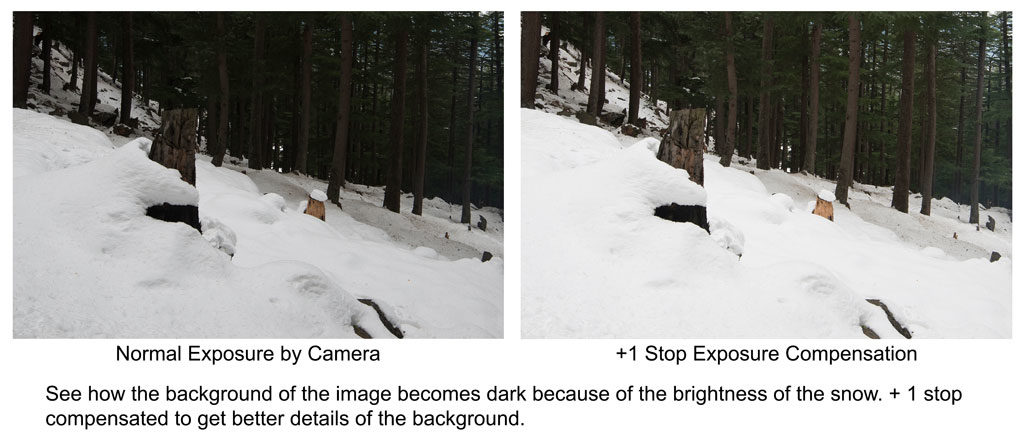
There are many situations where you would like to under expose or over expose. The camera meter is fooled in some particular situation because it is designed to view the tones and averaging them out. The camera is programmed to read 18% grey in most of the scene. If your scene is darker than this, the camera will get fooled and think that the image will under expose. Similarly, if your scene is brighter than 18% grey, the camera will think the image will over expose and compensate accordingly. Shooting in snow is a classic example.
 

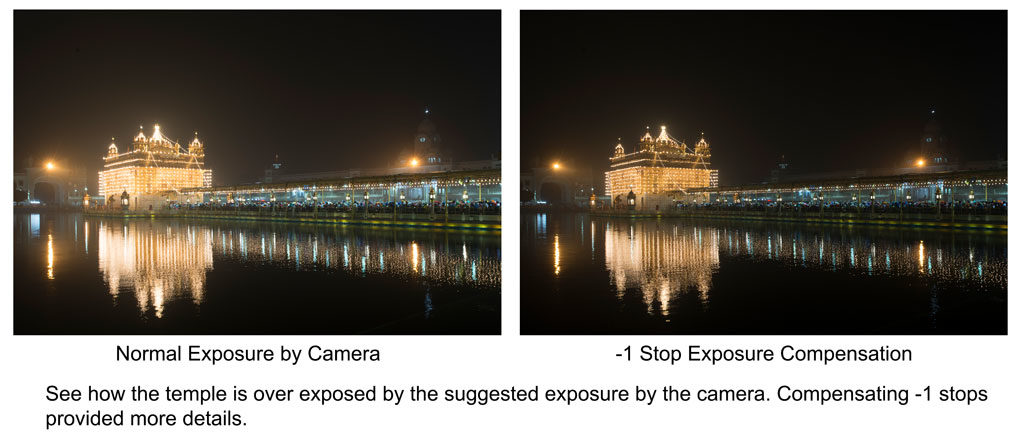
It night shots, it happens exactly opposite.
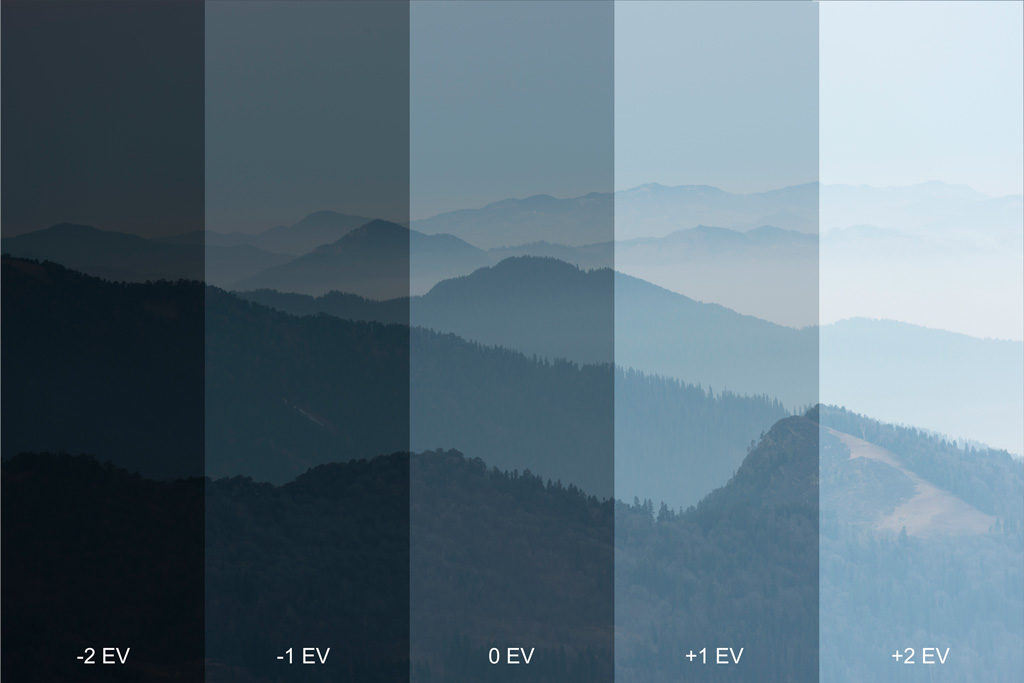
Always try to compensate and see how the image looks in different exposure settings. Sometimes we get very dramatic result while over or under exposing the image. Results varies in different lighting conditions.
In most of the camera you find exposure compensation button. You have to set how many stops you want to under or over expose. The camera will automatically compensate the exposure value with the desired exposure compensation. 

The exposure compensation works differently in different exposure modes. A/Av- In Aperture Priority, the camera compensates the shutter speed. S/Sv – In Shutter priority the camera will change the aperture.
  • Share On Facebook
  • Tweet It


  • Transform Your Imagination to Imagery.

  • Please authorize with your Instagram account here
  • Follow Us On


© 2027 Copyright FOTOVOYAGE | All Rights Reserved