Good Landscape Photography requires a solid time commitment. Make sure you plan “photography time” into your travel schedule. I believe that it is possible to make a compelling photograph in almost any kind of conditions, however timing is important key in landscape photography.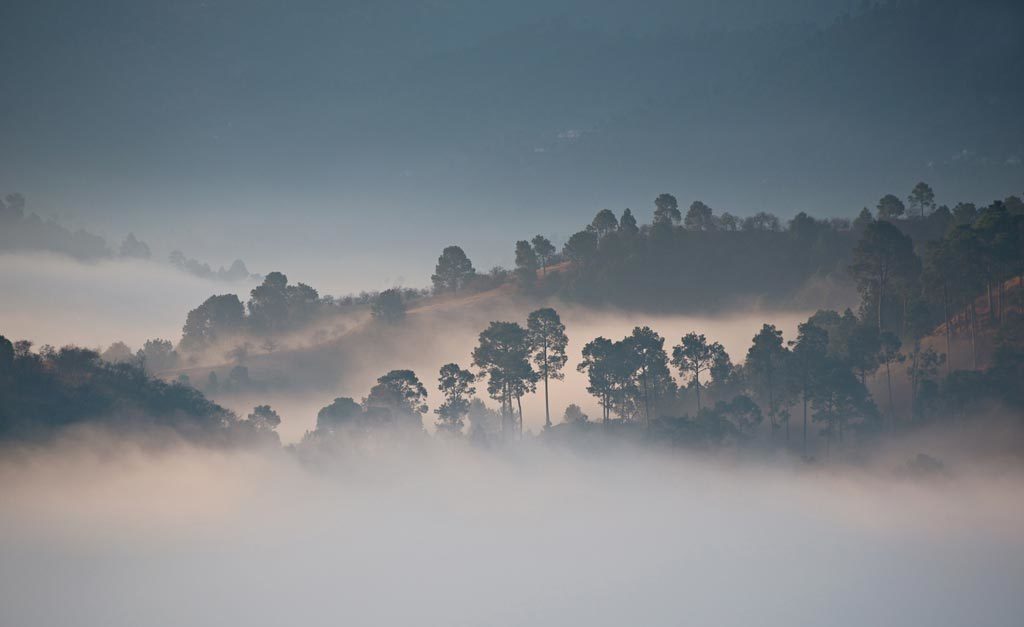
Planning
As a Landscape photographer, you need to plan your trip in as much detail as possible to give you the best possible chance of capturing everything you need to. You simply have to prioritize what things are most important to you, and what you can compromise on. Tourist season is the most expensive for traveling, but depending on your location, you may only have to deal with more humidity or a few additional rainy days.
First and foremost, Get out of your home, and shoot.
Research about following
Location
Weather
Seasonal Indicator
Sunrise & Sunset Time
Administrative Photographic Restrictions
Safety Conditions
Wake up early and stay till late. Light is the most important ingredient for Landscape Photography — and soft, warm, morning light creates amazing images. Sunrise isn’t the only time to catch a good light. Sunsets are also great. The hour after sunrise and the hour before sunset are “golden hours” because of their soft, warm tones and eye-pleasing shadows. “Blue hour”, is the hour after sunset (or before sunrise) when the sky is still blue, but city lights are turned on. In comparison, shooting photos at noon on a bright sunny day is probably the absolute worst time for Landscape Photography! In fact, it’s better to take a nap during the middle of the day so to have more energy for early morning and evening photography missions
Pack your bags with all your necessary gears avoid un-necessary stuff.
Ensure you have enough space in your memory card and your batteries are fully charged.
Carry water, food, proper clothing.
Always Reach at least 30 mins before the shoot time
Start by packing camera equipment first as this is the most important item. The last thing you would want is to get there to discover not having a spare battery or memory cards. Always have one last look at the weather forecast and make amendments if required. 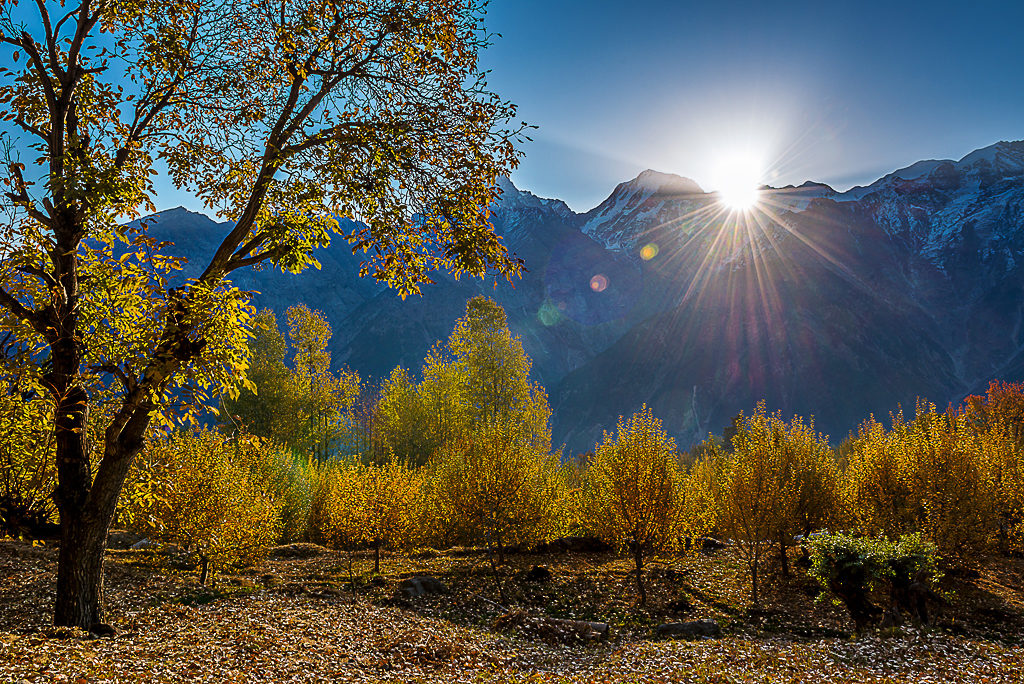
Technical Tips
Use the various technical features on your camera and lenses. This will guide you to compose photographs that are admired. Get familiarized with all the controls in your camera and technical concepts of Landscape Photography. Following are some the key ingredients you have in order to make best quality Landscape Photographs.
A tripod is must
Shoot in RAW
Use wide-angle lens.
Always shoot in your camera’s native ISO
Use Hyper focal distance to maximize depth of field
Mind your lens’s sweet spot. Avoid using small apertures.
Using Optical, Photographic filters
Be ready for long exposure
Stay away from your Camera, use Remote
Bracket Exposure
Use Histogram
Post Process like a man, not like a boy.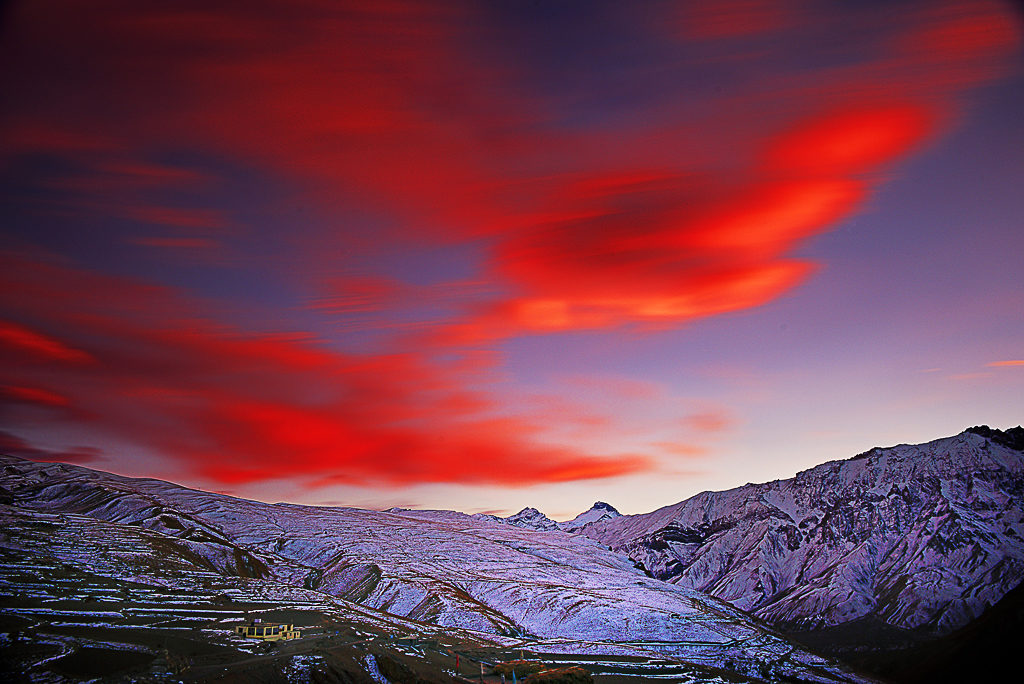
Creative Tips
You can always come up with a better photo composition after some experimentation. Start with a wide shot, then a mid-range version, and finally, get up-close and personal. Never be satisfied with your first idea for an image!
Try to include powerful foreground, midground, and background elements too. If your subject is a mountain range — find a flower, river, animal, or interesting rock to include in the foreground. This gives images a 3-dimensional feel and helps convey scale, drawing a viewer’s eye into the rest of the photo. Here some of the creative tips for Landscape Photography
Apply Photographic Composition Rules like Rule of Third or Leading lines
Include a foreground
Create a strong focal point
Capture Movement with slow shutter speed
Look for good sky
Mind your horizon
Watch for Reflections
Use Scale to depict the magnitude of the landscape
Minimalistic Approach – Avoid including unnecessary elements in your frame. 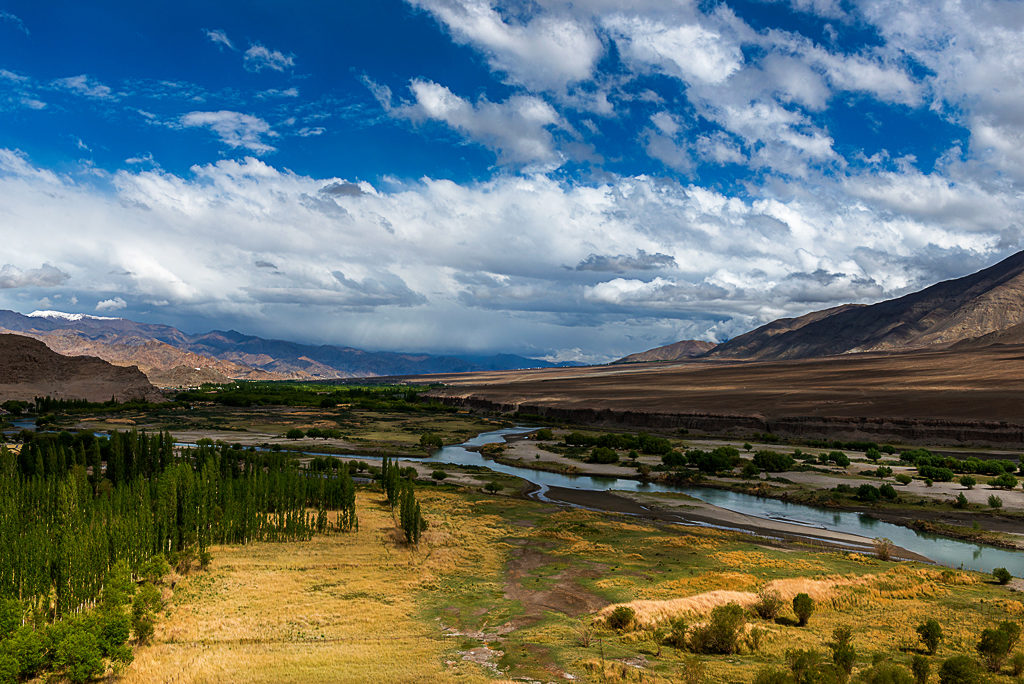
Other Tips
Landscape Photography is about really seeing what’s in front of you. Not just with your eyes, but with your heart & mind too. This requires dedicated time and attention. Slow down and make a conscious effort at becoming aware of your surroundings before pressing the shutter. Pay attention to details
Don’t forget to analyze your pictures
Spend some time on looking at other’s work
Often bad weather results in stunning images
Revisit the place again and again
Create few shots, but best shots
Walk around and a find best view point
Look for unexplored locations
Clean the place, don’t wait to clean on post
Always aim to create technically best quality image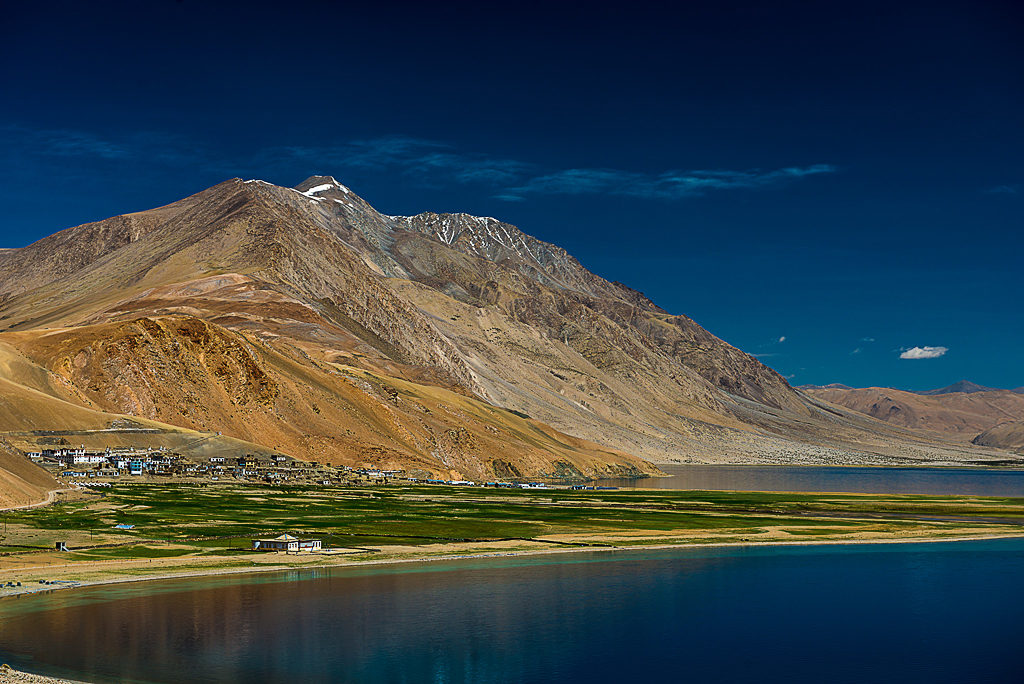
Unpleasant Side of Landscape Photography
Good Landscape photography takes time. Are you willing to spend a few hours waiting for the perfect shot? The more patience you have, the better your travel photography will turn out in the long run.
Always ready for failure
Be patient
Get ready for off working hours
Be Ready for physical challenges
Be ready with Plan B.
Delayed Commercial Recognition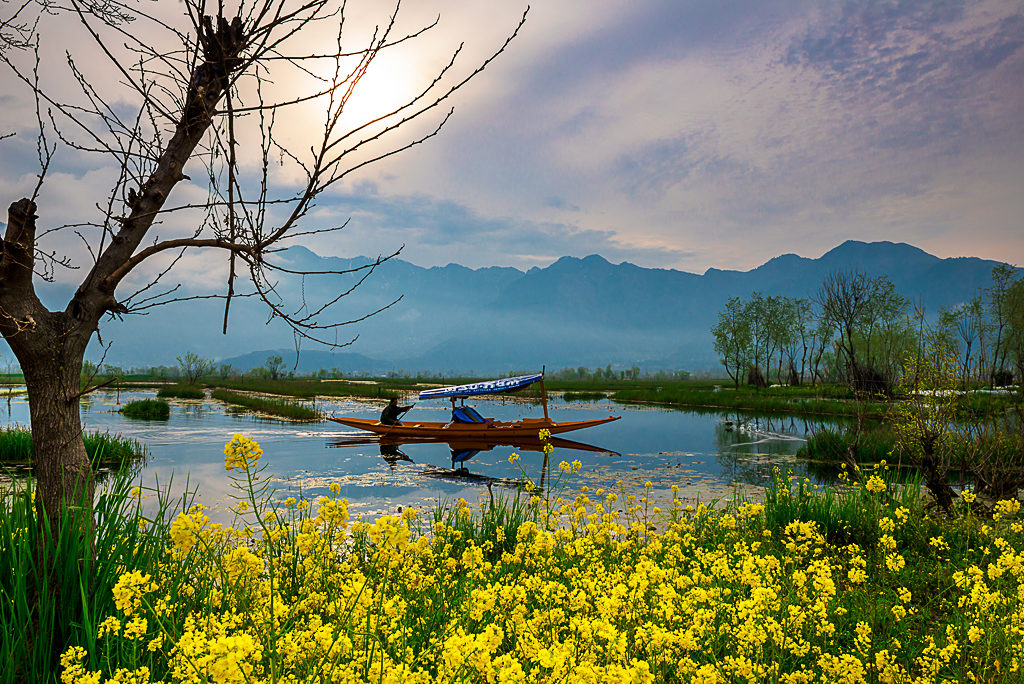
With all key information at your fingertips take advantage of photographic opportunities while traveling. As Landscape Photography is like a time machine, freezing memories from a journey that you can look back … All the best for your next Landscape Photography trip…cheers!